
By Marselys Lucero, Director of Peace through Justice
The Catholic Church, and Christianity more broadly, is seeing a resurgence of interest from those new and returning to the faith. Multiple reports describe congregations swelling to the point that some churches no longer have enough room in the pews for everyone attending Mass and other services.
This uptick has been especially notable within Catholicism, and it's worth asking why. We are living through a time of distress, confusion, conflict, and partisanship, and religious trends suggest that periods of heightened violence and widespread anxiety tend to coincide with increased religious participation. That makes sense: when the world feels less peaceful, people go looking for peace elsewhere. Contemplation and prayer become ways to hold onto hope when human leadership seems inept or overwhelmed by chaos. A related force may be the search for "truth" itself. In an age when social media algorithms, artificial intelligence, and even public officials spread misinformation and disinformation, people are looking for sources they can trust, and many are turning to faith as confidence in secular institutions erodes.
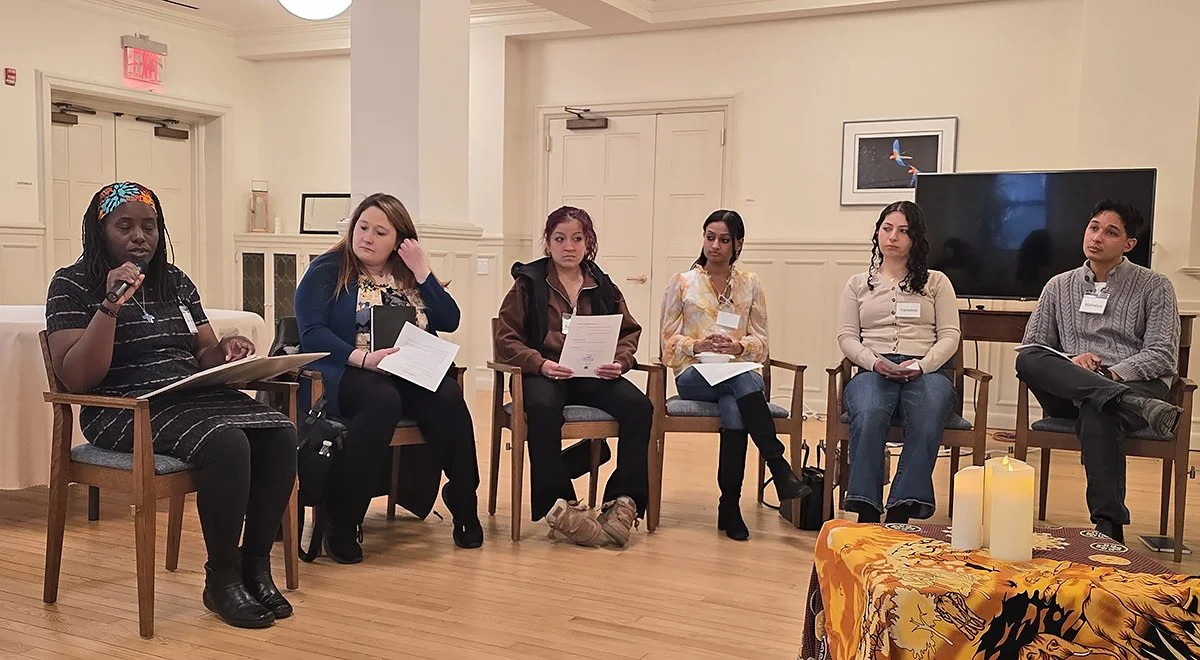
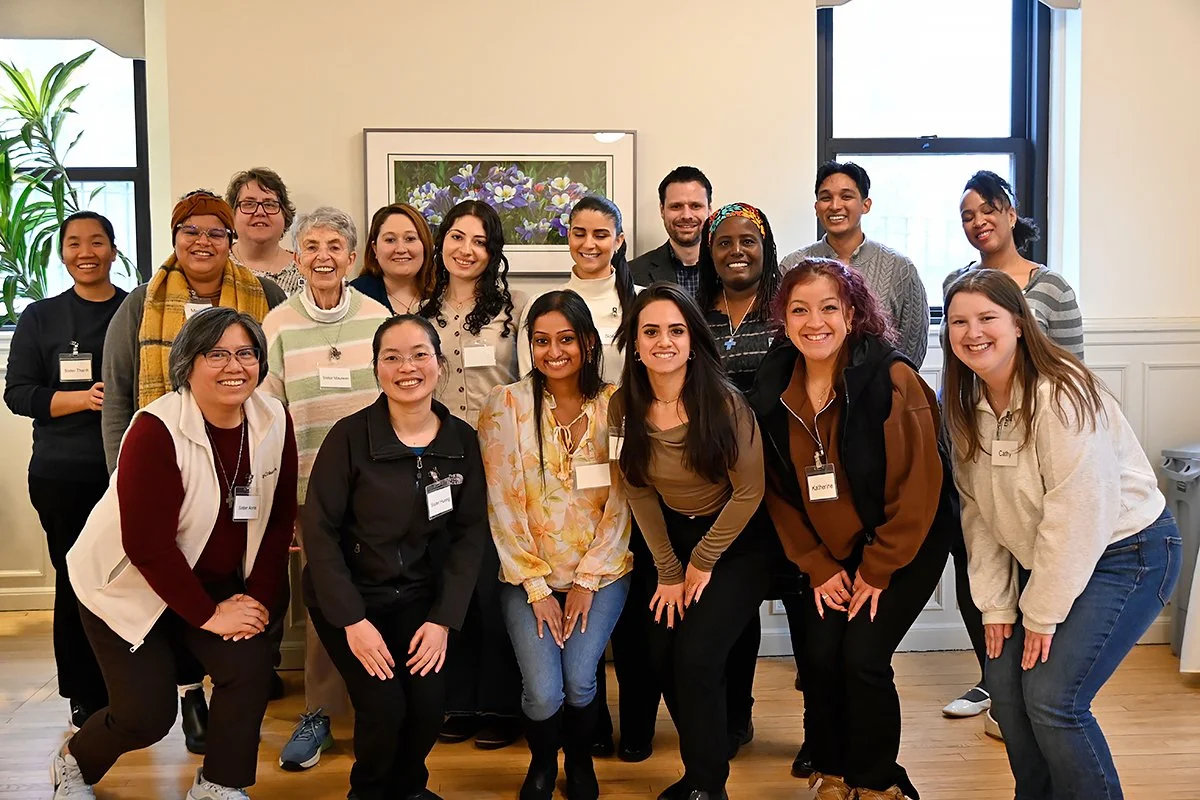
Earlier this year, Sister Chero Chuma and I invited a local chapter of Young Catholic Professionals (YCP) to a Lenten retreat we organized at St. Michael Villa in Englewood Cliffs, New Jersey. Sister Chero has an existing relationship with the Seattle chapter and has organized retreats with this group before; YCP has chapters across the country. The retreat was full of young people eager to talk about their faith, many of whom described returning to Catholicism after time away. I was moved listening to them describe a Lenten call emerging from their days together in Englewood Cliffs.
That retreat presents a clear opportunity amid this renewed interest in Christianity. Pope Leo's encyclical Magnifica Humanitas spends considerable attention on the social impact of emerging technologies — and one concern he raises, echoed by many others, is technology's effect on relationships. Jonathan Haidt makes a similar argument in The Anxious Generation: the less humans can be in relationship with one another, the weaker our democracies and societies become, as we lose empathy and the capacity to relate. In sections 138–39 of Magnifica Humanitas, Pope Leo names the same worry, describing technology as a potential barrier to genuine connection. He writes:
Today, accompanying children and young people in using technology for developing responsible relationships, helping them to recognize the risks and choose what fosters inner freedom, is a concrete form of charity and will safeguard their dignity. Teaching new generations that technological evolution does not follow a predetermined path, but can be guided by personal and collective responsibility, constitutes one of the most valuable services to the common good.
Let us cultivate relationships! In an era that favors speed and fragmentation, the human person still yearns to receive care and recognition from attentive minds, kind words and hands capable of tenderness. The digital culture multiplies connections and offers new opportunities for interaction; yet the human heart retains an irrevocable need for genuine closeness.
Over the next several months, Sister Chero and I will pilot ways to gather young adults in community — a monthly online gathering, a hike in nature, a weekend retreat. The goal is simple: give young people who are drawn to faith a real way to connect with one another. For the Congregation, it's a chance to invite others into our charism of peace through justice, grounding this community and building formation around peaceful relationships and Catholic Social Teaching — formation that, too often, parishes across the country aren't equipped to reliably offer.
The charism of the Congregation should be shared at a time when so many are seeking peace. We hope that the actions that we take in the future might form young adults in all three of our regions and allow for future opportunities to grow our presence in the lives and spirituality of our communities.
This article appeared in the Autumn 2026 issue of Living Peace.